The World Is Watching Ankara — But Was Ankara Watching the Gate?
President Erdoğan called the Ankara Summit one of the most significant international events in Turkey's recent history. Trump confirmed his attendance. Japan, South Korea, Australia, and New Zealand are invited. The world is watching. The question this platform has been asking since day one: were the institutions responsible for preparing Ankara's digital presence watching too?
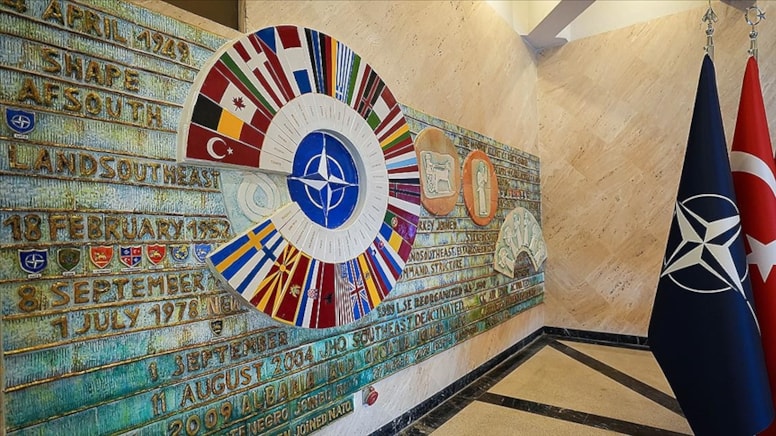
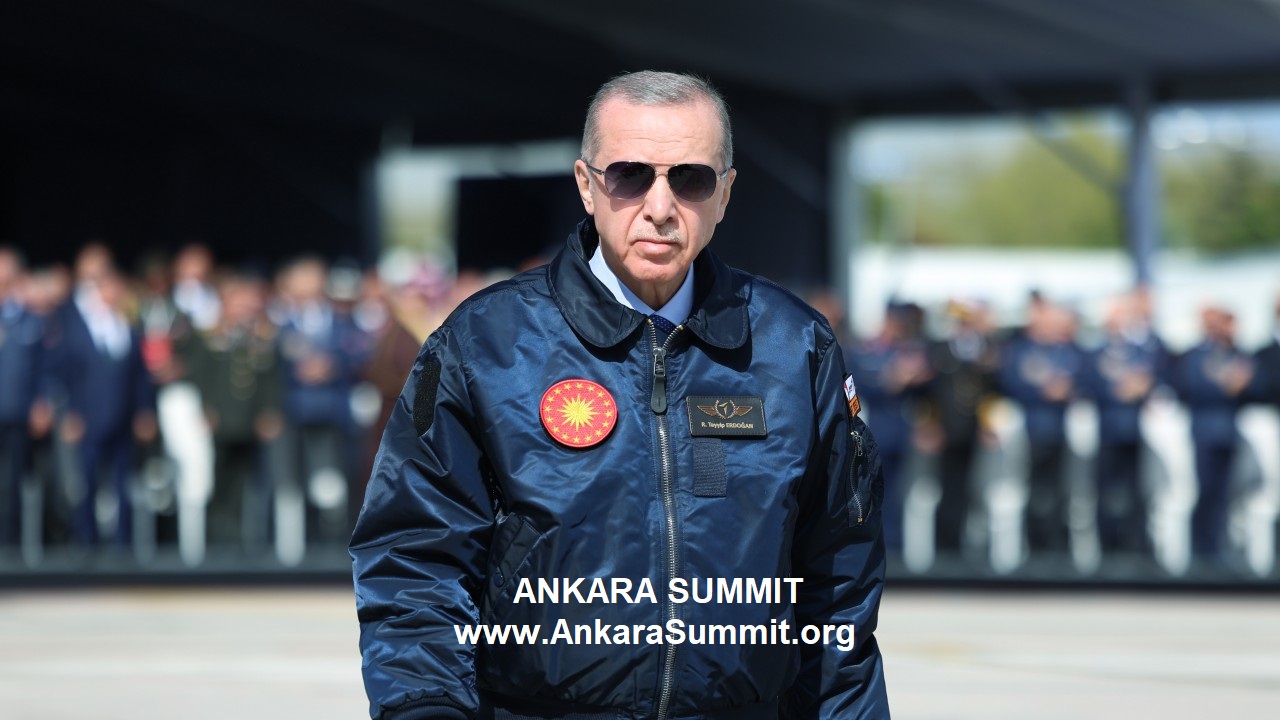
Ankara · NATO Summit 2026 · July 7–8 · Beştepe Presidential Compound
What Makes Ankara 2026 Historic
President Recep Tayyip Erdoğan's framing is accurate and deserves to be acknowledged as such. The 2026 Ankara Summit is, by any objective measure, one of the most consequential NATO gatherings in years. The attendance list alone is historic: 32 heads of state, the Ukrainian president, Indo-Pacific partners, EU leadership, and a U.S. president who will be making his first in-person appearance at a NATO summit in Ankara. "The world is showing great interest in the summit in Ankara," Erdoğan said. He is right.
This is a moment of genuine diplomatic importance for Türkiye. Twenty-two years after the 2004 Istanbul Summit — widely credited with cementing NATO's transformation into a global security actor — Ankara has the opportunity to define the alliance's next chapter. Analysts have already noted the parallel: just as Istanbul marked NATO's post-Cold War evolution, Ankara may mark what some are calling NATO's return to its core territorial defense mission under fundamentally changed conditions.
This platform acknowledges all of this without reservation. The significance of the moment is real. The diplomatic preparation appears serious. The physical security infrastructure, as we have documented, is thorough and professionally executed.
"The world was watching Ankara long before the summit was announced. The question is whether the institutions responsible for Ankara's digital presence were watching back — and the answer, documented in three formal notifications that received no substantive response, is no."
The Gap Between Ambition and Preparation
Erdoğan said preparations had "intensified" and that Türkiye would "use the remaining time in the most effective way." This is the right instinct. With 14 days remaining, the intensity of preparation is appropriate to the scale of the event.
But preparation is not only measured in the visible — the freshly painted buildings, the cleared streets, the drone bans and security perimeters that the Ankara Governorate formally announced on June 22. Preparation is also measured in what was done months ago, when the decisions that determine the summit's digital identity were either made or neglected.
Those decisions were neglected. This is not a contested claim. It is documented in the public record: the domain names and social media handles most naturally associated with the Ankara Summit — the addresses that every journalist, every delegation staffer, every researcher types before they board a plane to Ankara — were unregistered by official Turkish institutions. They were registered by this platform. Three formal notifications were filed through official channels. None received a substantive response.
The Scandal That Begins Before the Summit Opens
The diplomatic significance of Ankara 2026 makes the digital preparedness gap more acute, not less. When the stakes are modest, an overlooked domain name is an administrative footnote. When 32 heads of state are attending, when the U.S. president is in the room, when the Indo-Pacific partners are present and the world is watching — the same overlooked domain name becomes a documented institutional failure at the highest possible level of visibility.
The gap is not theoretical. It is operational. Before July 7, every journalist preparing to cover the summit will search "Ankara Summit" online. They will find this platform — because this platform registered the address, built the content, and filed the notifications that the responsible institutions did not act on. That is a fact. That is the record. That is what the world will find when it looks for the digital front door of the summit that Erdoğan correctly identifies as a historic moment for Türkiye.
The question of who bears institutional responsibility for this gap is one that Turkish officials are best positioned to answer. This analysis will not name individuals. But the gap exists at the intersection of several mandates: the Presidency of Communications, which manages the summit's public communications; the Ministry of Foreign Affairs, which received formal notification; and the broader institutional culture that assigns visibility to physical preparation and invisibility to digital preparedness.
2004 Istanbul: The Comparison That Matters
The comparison to the 2004 Istanbul Summit is instructive in a way that goes beyond the diplomatic parallel. In 2004, the internet was a secondary communications channel. Domain names were not strategic assets. Social media did not exist. A summit's digital presence was an afterthought — and being an afterthought was, in 2004, acceptable.
In 2026, it is not. The world's journalists do not arrive in Ankara without having searched online first. The delegations do not attend without their advance teams having audited the digital landscape. The disinformation networks that have targeted previous NATO summits do not ignore unregistered domain names — they exploit them. The 2023 Vilnius precedent is documented. The lesson was available. It was not applied.
If the 2026 Ankara Summit is to be what Erdoğan says it is — a historic moment, a demonstration of Türkiye's diplomatic weight, a summit that shapes the alliance's next chapter — then it deserves preparation that matches its ambition across every dimension: physical and digital, visible and invisible, announced and quietly secured.
What Comes After July 8
The summit will open on July 7. The communiqué will be issued on July 8. The delegations will depart. The world's attention will move on. What will remain is the record — of what was prepared, what was overlooked, and who held the gate when the institutions responsible did not.
This platform will be here on July 9. The domains will still be registered. The notifications will still be on file. The analyses will still be published. The question of institutional accountability for the digital preparedness gap — who was responsible, what they knew, when they knew it, and what they chose not to do — will remain open for anyone with an interest in honest institutional assessment to examine.
The world is watching Ankara. It has been watching for some time. Some of us have been watching back.